A Dentist in Bangalore often sees patients with tooth problems that are not caused by one major event, but by small everyday habits repeated over time. Some habits may seem harmless, while others can gradually contribute to enamel wear, tooth sensitivity, cavities, gum problems, or jaw discomfort.
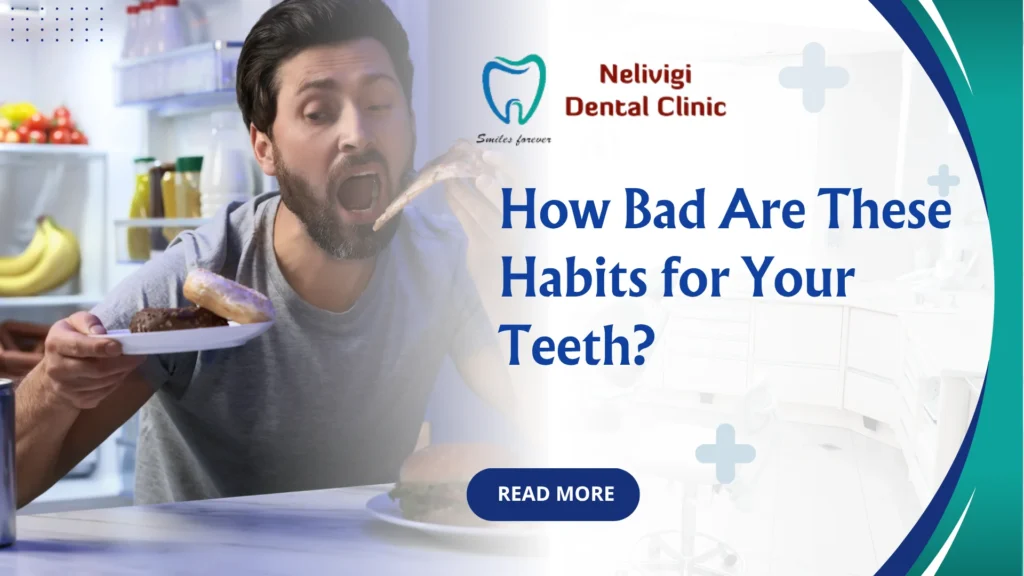
In this Video, Dr. Nandini Nelivigi explains some common habits that may affect your teeth and what you can do differently to protect your oral health.
1. Using Your Teeth to Open Things
Opening packets, bottles, tags, or other objects with your teeth may seem convenient, but teeth are designed for biting and chewing—not as tools.
Using them this way can put unusual pressure on the teeth and may lead to chips, cracks, or damage to existing fillings and restorations. Keeping scissors or an appropriate tool nearby is a much safer alternative.
2. Chewing Ice
Some people enjoy chewing ice after finishing a cold drink. However, hard ice can place significant pressure on tooth enamel.
Repeated ice chewing may increase the risk of tooth cracks or chips, particularly if a tooth already has a filling, crown, or other weakness. If you frequently feel the urge to chew ice, discussing it with a healthcare professional may also be worthwhile.
3. Brushing Too Hard
Brushing harder does not necessarily mean brushing better. Excessive pressure or using a hard-bristled toothbrush may contribute to gum irritation and enamel wear over time.
A soft-bristled toothbrush and gentle, controlled movements are generally preferable. The goal is to clean the teeth effectively without scrubbing aggressively.
4. Frequent Snacking on Sugary Foods
It is not only the amount of sugar you eat that matters. How frequently your teeth are exposed to sugary foods and drinks can also influence cavity risk.
Frequent snacking gives mouth bacteria repeated opportunities to produce acids that attack tooth enamel. Limiting unnecessary sugary snacks and maintaining regular brushing can help reduce this exposure.
5. Using Teeth as Nail or Pen-Biting Tools
Biting your nails, pens, pencils, or other hard objects can put unnecessary stress on the teeth. Over time, these habits may contribute to small chips, cracks, or jaw discomfort.
Being aware of when you perform these habits—such as while studying, working, or feeling stressed—is often the first step toward stopping them.
6. Ignoring Tooth Sensitivity
Some people simply avoid cold drinks or hot foods when their teeth become sensitive. But persistent sensitivity should not always be dismissed.
Sensitivity may be associated with enamel wear, gum recession, cavities, cracks, or other dental conditions. Identifying the underlying cause is more useful than simply avoiding certain foods.
7. Skipping Night-Time Brushing
Brushing before bed is an important part of daily oral hygiene. Food particles and plaque that remain on the teeth overnight can contribute to tooth decay and gum problems.
A consistent routine of brushing twice a day, along with cleaning between the teeth, can help maintain oral health.
Conclusion
Your teeth can handle everyday chewing, but repeated habits such as chewing ice, biting hard objects, brushing aggressively, frequent sugary snacking, and ignoring sensitivity may gradually affect your oral health. Small changes in daily habits can make a meaningful difference.
If you are experiencing tooth sensitivity, chipped teeth, gum problems, or other dental concerns, consulting a Dentist in Bangalore can help identify the cause and appropriate treatment. A Dental Clinic in Bellanduru can also provide professional dental evaluation and preventive care to help you maintain a healthier smile.
FAQ’s
1. Can everyday habits really damage teeth?
Yes. Habits such as chewing ice, biting hard objects, aggressive brushing, and frequent sugary snacking can contribute to dental problems when repeated regularly.
2. Is brushing harder better for cleaning teeth?
No. Effective brushing does not require excessive pressure. Gentle brushing with a soft-bristled toothbrush can clean the teeth while being kinder to the gums and enamel.
3. Should I see a dentist for sensitive teeth?
If sensitivity is frequent, persistent, worsening, or occurs without an obvious reason, a dental examination can help identify the cause.
4. How often should I brush my teeth?
For most people, brushing twice a day with fluoride toothpaste is recommended, along with cleaning between the teeth regularly.
5. When should I visit a dentist?
Do not wait for severe pain. Regular dental check-ups can help identify cavities, gum problems, enamel wear, and other issues before they become more complicated.