
Podcast 10: Achieve Your Best Smile with Cosmetic Dentistry By Dr. Nandini Nelivigi
In today’s podcast Dr. Nandini Nelivigi explained you about Cosmetic Dentistry and how to achieve Your Best Smile with Cosmetic Dentistry
Podcast 09: Tooth Sensitive To Hot Or Cold? What It Means And How To Ease
In this podcast, Dr. Nandini Nelivigi explains you what causes sensitive teeth and why does someone teeth develop sensitivity??
Mouth Ulcers (canker sores)
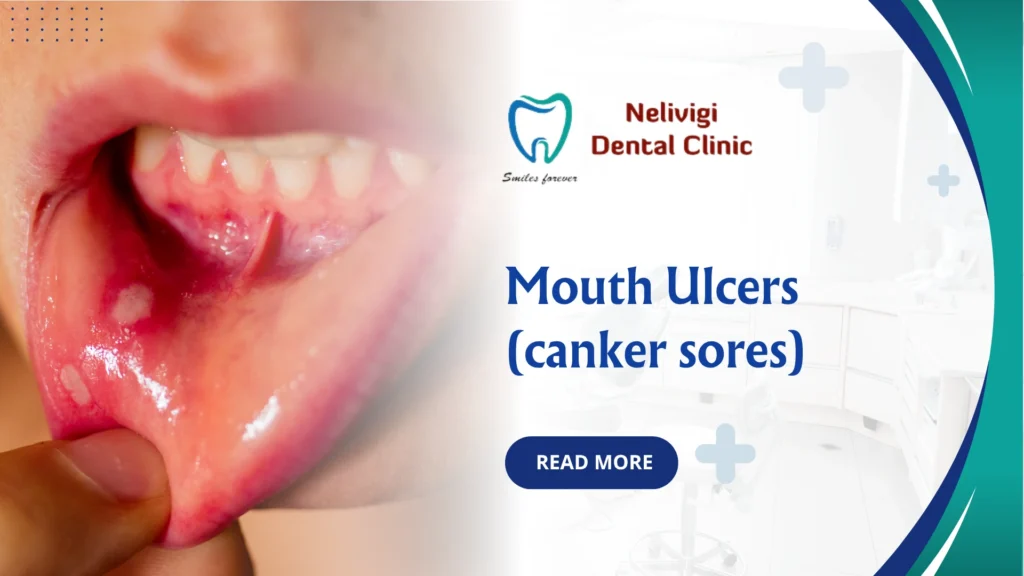
An ulcer is a breach in the continuity of skin or mucous membrane deeper than the erosion. Ulcers are quite commonly noted in the oral cavity probably because the mucous membrane is a thinner lining than skin. They get easily affected by mechanical, chemical, thermal, electrical and radiation insults.
Common ulcers in the mouth are:
1. Traumatic ulcers 2. Aphthous stomatitis 3. Infections 4. Drug-induced 5. Allergy 6. Malignancies
Podcast 07: 5 Things that can be magical in a good oral health
In Today’s Podcast, Dr. Nandini Nelivigi Best Dentist in Bangalore, is going to brief us about 5 Things that can be magical in a good oral health.
Hair line fractures of the tooth
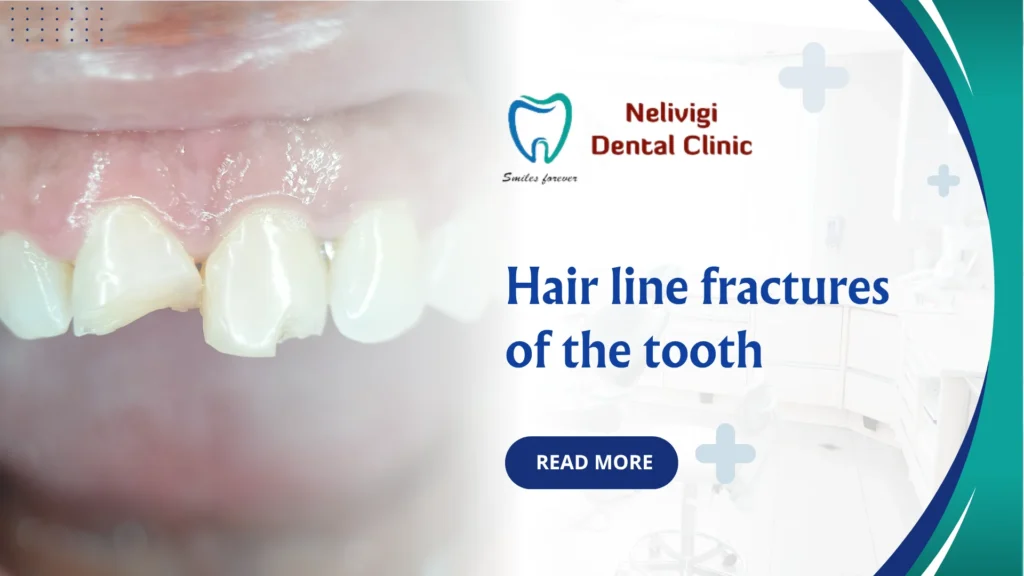
Hairline fractures of the tooth or cracked tooth are one of the main reasons for a person to seek dental treatment. Causes: Teeth with large fillings High pressure from the opposing tooth Accidents or blow to the teeth Abrupt changes in temperature Chewing on hard food like ice, candy, nuts, etc.,
Age
Tooth whitening / Dental bleaching
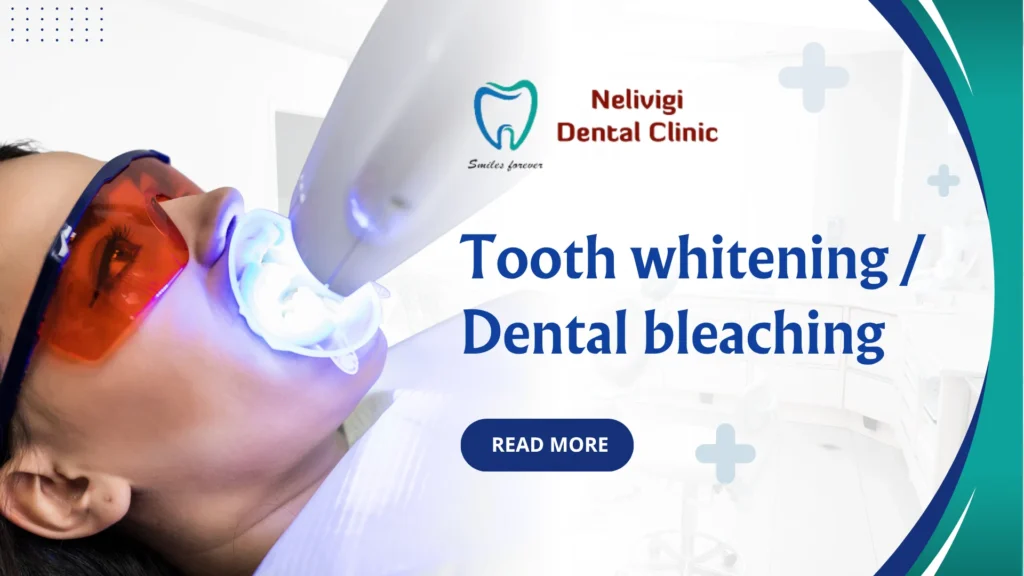
Tooth whitening is the process of lightening the shade of teeth. Whitening process may involve changing the intrinsic color of the tooth or removing the external stains on the teeth.
What are bleaching agents and how do they work?
Basically bleaching agents are either carbamide peroxide (10 to 44% concentration) or hydrogen peroxide (3 to 16% concentration). When Hydrogen peroxide reaches the tooth surface it penetrates inside where it acts as an oxidizing agent and breaks down into unstable free radicals. These free radicals bind to Organic pigmented molecules there by converting them into small less pigmented components.
Podcast 06: Missing Teeth? What are your options?
Listen carefully to this audio to know your options for replacing missing teeth by the Top Dentist in Bangalore – Dr. Nandini Nelivigi
Bruxism or Night Grinding
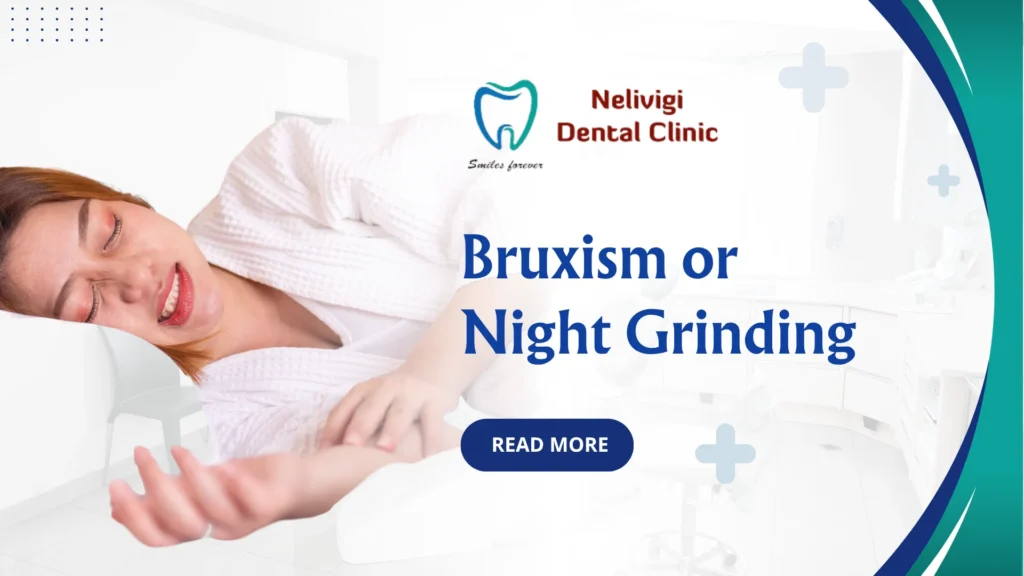
Bruxism is the unnecessary, excessive and unconscious grinding of teeth. It is an oral parafunctional activity.
Causes:
Usually, bruxism may be caused by stress and anxiety. However, things like an altered bite, missing teeth, malaligned teeth or disorders like sleep apnoea may also be the cause.
Brushing and Flossing Techniques
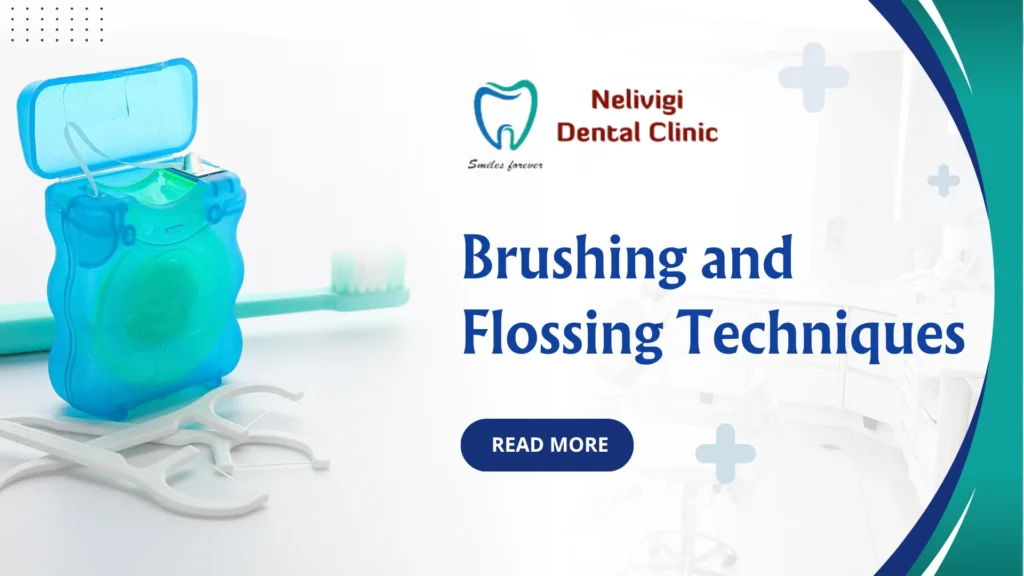
Brushing all your teeth in this manner thoroughly should take about 2 mints. Please make sure you brush your teeth twice a day without fail. Brushing should be on your mind as the first thing when you get up in the morning and before you retire to bed every day.
All You Need to Know about MILK TEETH
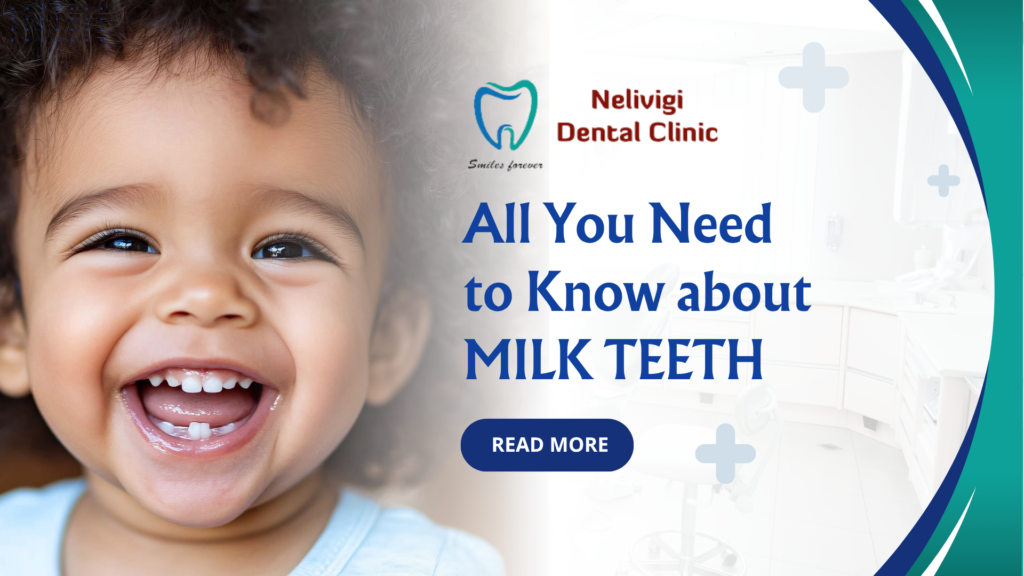
Man has two sets of dentition in his life span. The first one is called DECIDUOUS dentition or MILK teeth or PRIMARY teeth. The second one is called PERMANENT dentition.
The total no of milk teeth is 20 in number. 10 teeth in the upper arch and 10 teeth in the lower arch. The first milk tooth erupts into the oral cavity by around 6 months of age and by 3 years all 20 milk teeth would have erupted. There can be a variation of a few months in the eruption of these teeth.