
A small dark spot on a tooth may not seem like a serious concern, especially when there is no pain or discomfort. However, dental cavities often begin as tiny areas of tooth decay and gradually become deeper if left untreated. What looks like a minor spot today can eventually lead to tooth sensitivity, pain, or infection. Visiting a Dental Cavity Treatment Clinic in Bellandur can help identify early signs of tooth decay and prevent further damage.
Dental cavities develop when bacteria in the mouth produce acids that gradually damage the tooth’s protective enamel. Poor oral hygiene, frequent consumption of sugary foods, and inadequate dental care can increase the risk of cavities.
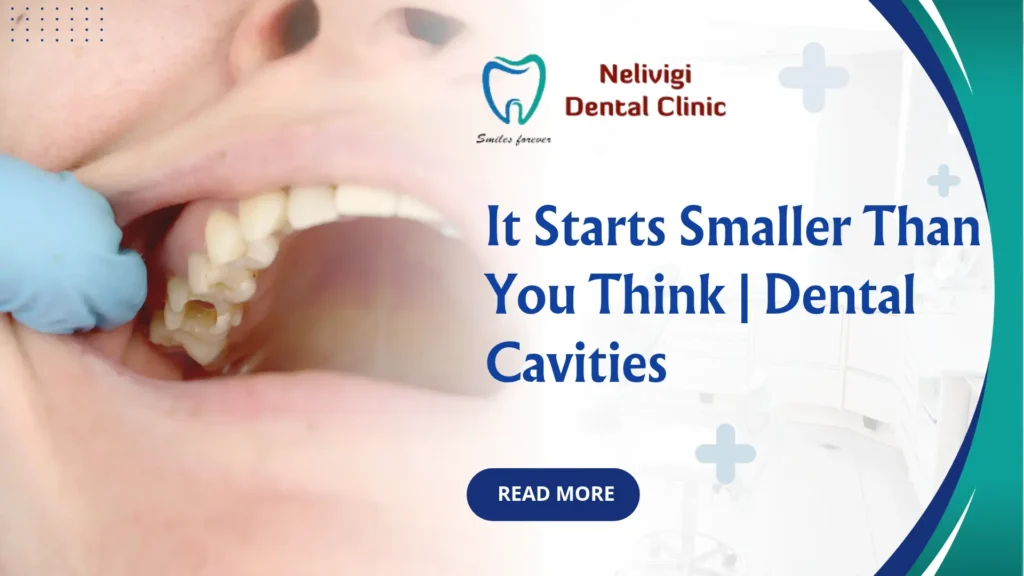
In this video, the dentist explains how dental cavities begin, why even small cavities should not be ignored, and the importance of early dental treatment.
1. How Do Dental Cavities Start?
Dental cavities do not usually develop overnight. They begin when bacteria in dental plaque break down sugars from food and drinks, producing acids that attack the tooth enamel.
Over time, repeated acid attacks can weaken the enamel and create small areas of decay.
Common factors that contribute to cavities include:
- Frequent consumption of sugary foods and beverages.
- Inadequate brushing and flossing.
- Plaque accumulation around the teeth.
- Frequent snacking between meals.
- Not visiting a dentist regularly.
Early tooth decay may not cause noticeable pain, which is why regular dental check-ups are important.
2. Why Should You Never Ignore a Small Cavity?
A small cavity may appear harmless, but tooth decay can progress deeper into the tooth if it is not managed.
As the decay progresses, it may affect different layers of the tooth:
- Enamel: The outer protective layer of the tooth.
- Dentin: The layer beneath the enamel, where decay can progress more quickly.
- Dental Pulp: The innermost part containing nerves and blood vessels.
When decay reaches the pulp, it may cause severe toothache, infection, and the need for more extensive treatment.
3. What Are the Early Signs of Dental Cavities?
Not all cavities cause pain in their early stages. Some warning signs include:
- Small white, brown, or black spots on the teeth.
- Sensitivity to hot, cold, or sweet foods.
- Mild discomfort while chewing.
- Visible holes or pits in the teeth.
- Persistent food getting stuck in certain areas.
If you notice any of these changes, consult a dentist instead of waiting for the pain to become severe.
4. How Are Dental Cavities Treated?
The treatment depends on how much of the tooth has been affected.
Common treatment options include:
- Fluoride Treatment: May help reverse very early enamel changes before a cavity forms.
- Dental Filling: Removes decayed tooth structure and restores the affected area.
- Root Canal Treatment: May be required when decay reaches the dental pulp.
- Dental Crown: May be recommended when a tooth has significant structural damage.
Early diagnosis often allows simpler treatment and helps preserve more of the natural tooth.
5. How Can You Prevent Dental Cavities?
A few simple daily habits can help protect your teeth:
- Brush twice daily using fluoride toothpaste.
- Floss regularly to clean between the teeth.
- Limit sugary snacks and beverages.
- Avoid frequent snacking throughout the day.
- Drink sufficient water.
- Schedule regular dental check-ups.
Good oral hygiene and timely dental visits can significantly reduce the risk of tooth decay.
When Should You Visit a Dentist?
Do not wait until a cavity starts hurting. If you notice tooth discolouration, sensitivity, visible holes, or discomfort while chewing, schedule a dental examination.
Regular dental check-ups can help identify cavities at an early stage, even before symptoms become noticeable. An experienced dentist can recommend the appropriate treatment based on the extent of tooth decay.
FAQ’s
1. Can a small dental cavity heal on its own?
A very early enamel lesion may be reversed with appropriate fluoride treatment and improved oral hygiene. However, an established cavity with actual tooth damage generally requires dental treatment.
2. Can dental cavities develop without pain?
Yes. Early cavities often do not cause pain. This is why regular dental examinations are important.
3. Do all cavities require root canal treatment?
No. Most cavities can be treated with dental fillings if detected early. Root canal treatment is generally required when decay or infection affects the dental pulp.
4. How can I prevent cavities in children and adults?
Brushing twice daily with fluoride toothpaste, limiting sugary foods, flossing, and attending regular dental check-ups can help prevent tooth decay.
5. How often should I visit a dentist?
Many people benefit from a dental check-up every six months, although the frequency may vary depending on individual oral health needs and cavity risk.
Conclusion
Dental cavities may start smaller than you think, but ignoring them can lead to bigger dental problems over time. Early detection, proper oral hygiene, and timely treatment can help preserve your natural teeth and avoid complicated procedures.
If you notice small spots, tooth sensitivity, or signs of decay, consult a dentist at a Dental Cavity Treatment Clinic in Bellandur. Visiting an experienced Dental Clinic in Bellandur can help you receive the right diagnosis, preventive guidance, and treatment for healthier teeth.